In today’s digital entertainment world, a small box has completely revolutionized the way we watch TV. With the growing capabilities of smart TVs, why are so many people still opting for HD media boxes? What makes these compact devices so appealing?
What is an HD Media Box?
An HD Media Box connects to your traditional TV via HDMI or component video cables, turning your regular TV into a smart TV. Essentially, it’s a microcomputer designed specifically for handling multimedia content. The heart of an HD Media Box lies in its chip decoding system, which enables it to decode various multimedia file formats.
HD Media Boxes consist of a variety of hardware and software components, including electrical connectors, memory, decompression processors, decryption processors, and interface processors. These components work together to convert encrypted and compressed digital video signals into content that can be played on your TV. These devices go by various names such as “digital media boxes,” “HD players,” “TV boxes,” or “network HD players,” but their core functionality remains the same.
What is the HD Standard?
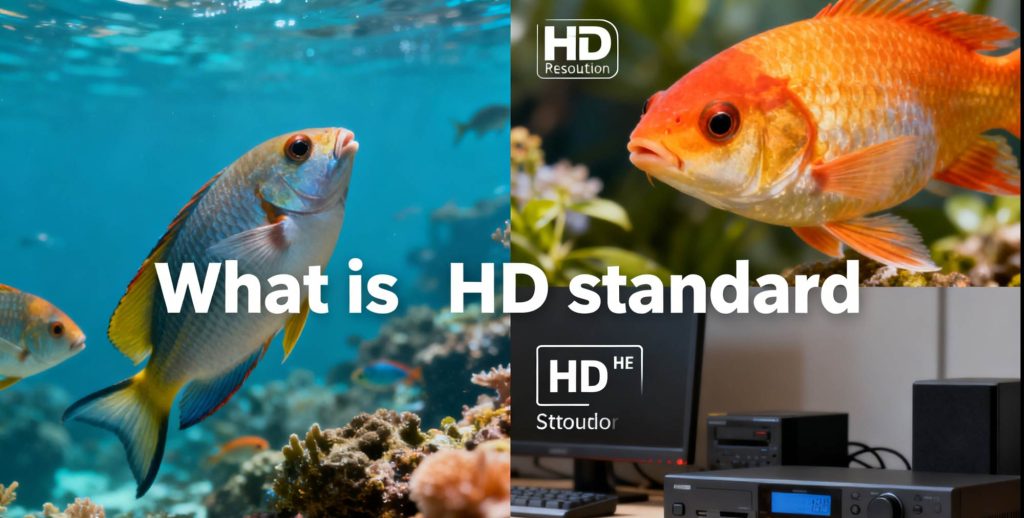
So, what exactly is “HD,” and how does it differ from standard definition (SD)? HD has two key components:
Aspect Ratio: The aspect ratio is 16:9.
Vertical Resolution: The vertical resolution exceeds 720p (720 lines of progressive scanning) or 1080i (1080 lines of interlaced scanning).
Beyond HD, there is the concept of Full HD, which refers to a physical resolution of 1920×1080 pixels (1080p)—the pinnacle of HD quality that delivers extremely clear visuals.
HD resolution is about four times clearer than traditional analog TV, offering superior image clarity and color reproduction. The 16:9 widescreen display also provides a more expansive viewing experience.
With advancements in HD technology, formats like 4K (3840×2160) and even 8K Ultra HD are becoming increasingly popular. Many modern media boxes, like the Good Media HD Box, now support these higher-resolution formats.
Key Advantages of an HD Media Box
HD Media Boxes have gained immense popularity due to their numerous advantages:
1. Convenient and Stable Tech Updates
Traditional TVs have long upgrade cycles, but HD Media Boxes include all the hardware and software required to generate video signals. There is no need to replace your TV—simply swap out your media box to enjoy the latest video technology. As long as your TV screen can display the same resolution as the media box’s video output, you can enjoy the newest features.
2. Rich Functionality
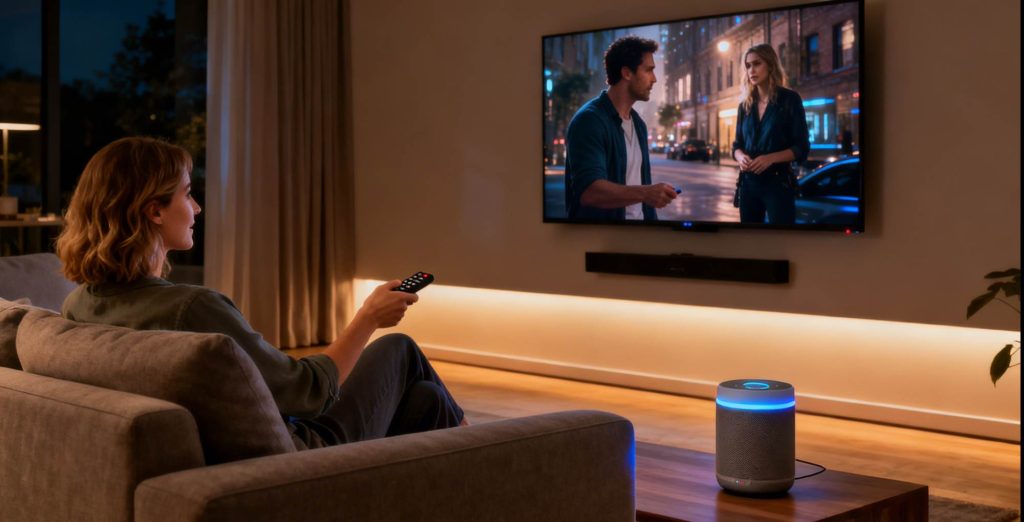
With an HD Media Box, your traditional TV can browse the web, stream online videos, install apps, and more. These boxes provide access to various content platforms, allowing you to stream videos, display photos and videos from smartphones and tablets onto your large screen TV, thus vastly expanding the functionality of your television beyond its original purpose.
How to Choose the Right HD Media Box?
With so many HD Media Boxes on the market, how can you choose the right one? Here’s what to consider:
1. Define Your Usage Needs
Different types of HD Media Boxes are suited to different users. Some are focused on gaming, others on streaming content, while some are designed for families and simple setups. Before making a decision, identify your primary users and how you plan to use the box.

2. Hardware Specifications
The performance of an HD Media Box largely depends on its processor, memory, and decoding capabilities. For basic configurations, look for at least 2GB RAM + 16GB ROM, while high-end products, like the We2usat P6 Mini, offer 4GB RAM + 64GB ROM for a smoother experience.
3. Connectivity Options
Ensure the media box has HDMI 2.1 ports, USB 2.0 ports, dual-band Wi-Fi, and Gigabit LAN ports for stable and fast network connections.